
Ph.D crisis in West Bengal, rest of India: How most UGC-NET scholars have no fellowship support
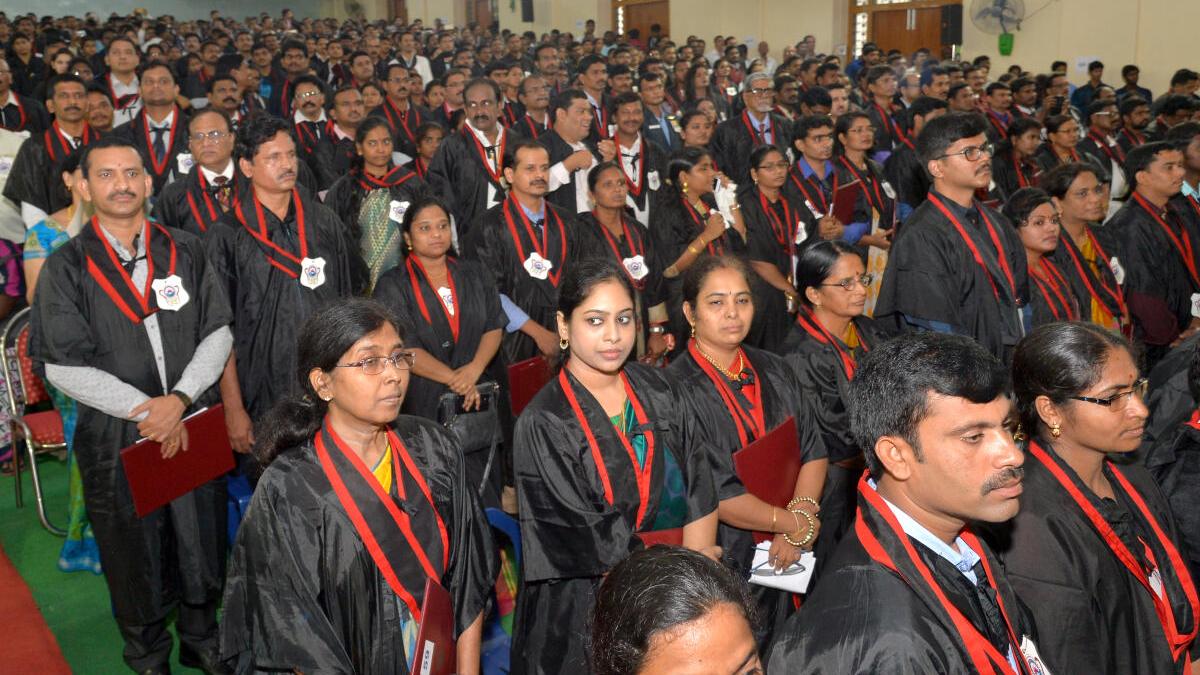
While the pool of students eligible and interested in pursuing a Ph.D continues to grow, national data reveal a stark mismatch between aspirations and institutional support. According to the most recent University Grants Commission (UGC) figures, over 1.28 lakh candidates qualified for Ph.D admission through UGC-NET 2025, marking a 14% increase from the previous year. Yet, only 5,269 candidates were awarded the Junior Research Fellowship (JRF)—the primary source of full-time doctoral funding—amounting to barely 4% of qualified candidates. For the overwhelming majority, no assured funding exists, pushing them into financial uncertainty from the outset.
Data from the All India Survey on Higher Education (AISHE) 2021–22 show that around 2.02 lakh students were enrolled in PhD programmes nationwide, accounting for roughly 0.5% of total higher education enrolment. While these numbers indicate growth compared to a decade ago, they also expose widening structural gaps. Scholars frequently point to the lack of clarity in Ph.D timelines and completion frameworks, which contributes to prolonged research periods and higher dropout rates.
You May Also Like
IIT Madras gears up for Shaastra 2026
The Indian Institute of Technology Madras (IIT Madras) will host Shaastra 2026, its annual tech...

Bachelor of Education (B.Ed) Program in Karnataka...
🎓 What is the B.Ed. Program?The B.Ed (Bachelor of Education) is a two-year professional degree...
Mayo College in Ajmer turns 150 years old. Is this...
It is post-dinner time in Mayo College, Ajmer, and we are here in November: the time of balding...